The North Fork of the Shenandoah River

The North Fork of the Shenandoah River is a fifth order stream that drains 1,034 square miles of northeastern Virginia. Its headwaters begin at German River and Crab Run in Rockingham County before flowing 116 miles north through the Shenandoah Valley to Front Royal, where it joins the South Fork to form the Shenandoah River.

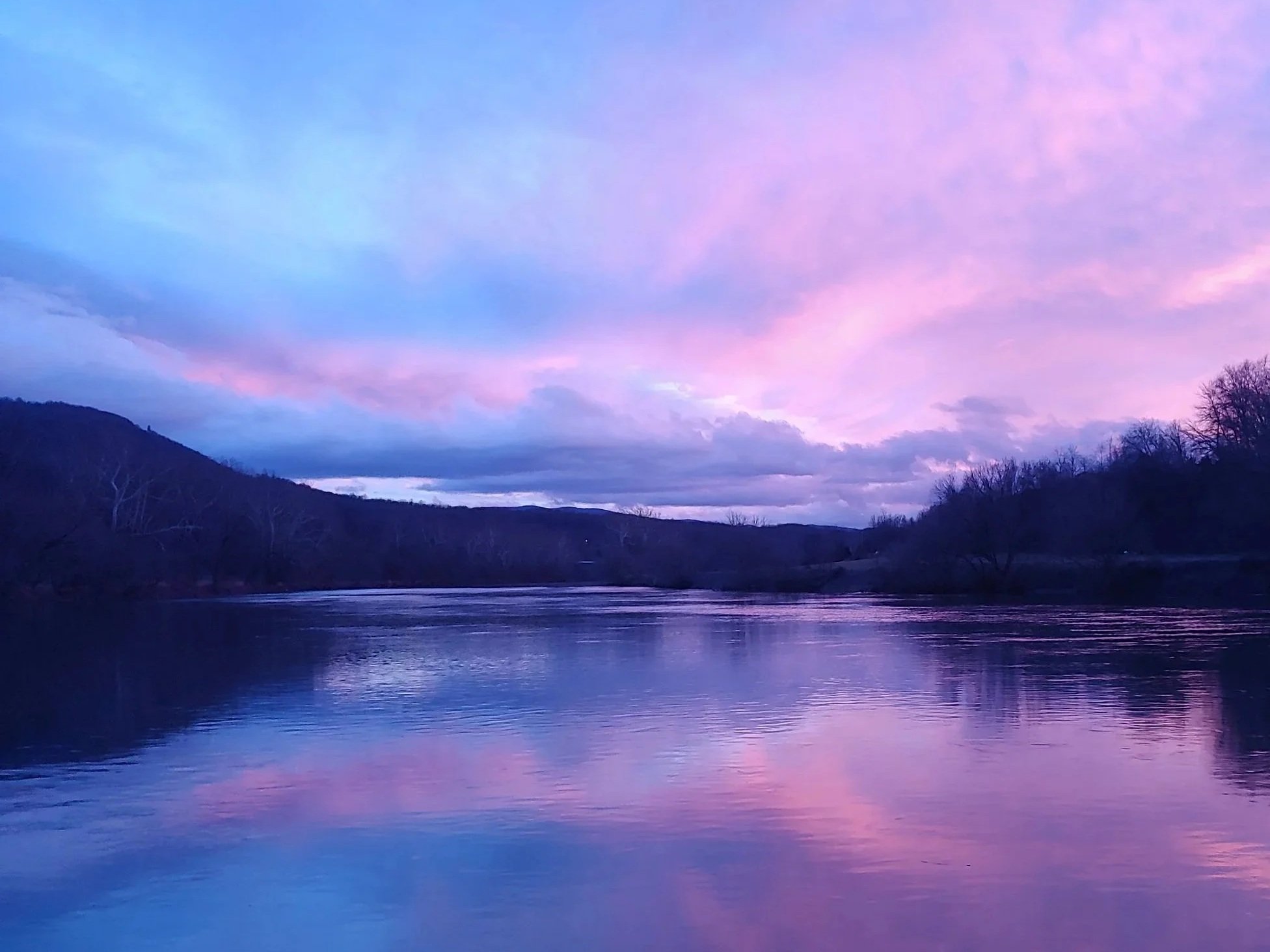
Known for its clear waters, scenic landscapes, and abundant wildlife, the North Fork is one of the Shenandoah Valley’s defining natural features and a treasured part of the region’s identity.

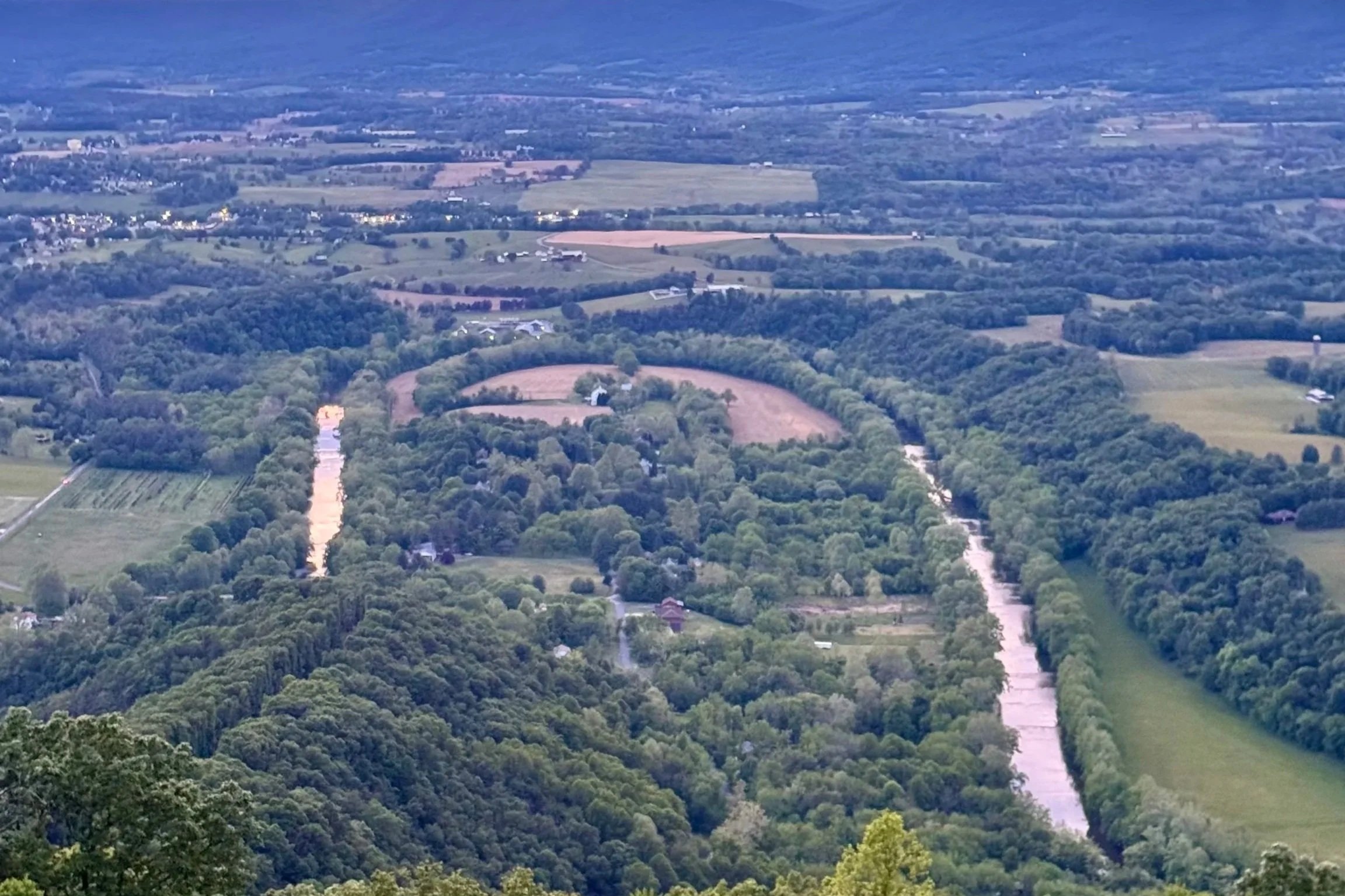
The river’s distinctive shape and winding path were formed over hundreds of millions of years through powerful geological forces.

Our River

The North Fork is far more than a scenic waterway. It is a vital ecological, recreational, and community resource.

The river provides habitat for fish, wildlife, and countless aquatic species while supporting local ecosystems throughout the watershed.

More than 500 million years ago, layers of sandstone, shale, and limestone were deposited along the edge of an ancient continent, creating the foundation of today’s Shenandoah Valley. Around 300 million years ago, the collision of the North American and African tectonic plates triggered the Alleghanian orogeny, a major mountain building event that folded and fractured the landscape into the ridges and valleys seen today.

As the mountains eroded and the valley flattened, the North Fork began carving its course through the region. Unlike many rivers that meander randomly, the North Fork followed pre existing fractures in the bedrock caused by this mountain building event. These natural fractures helped shape the river’s unique bends, particularly the famous seven bends section between Woodstock and Edinburg.

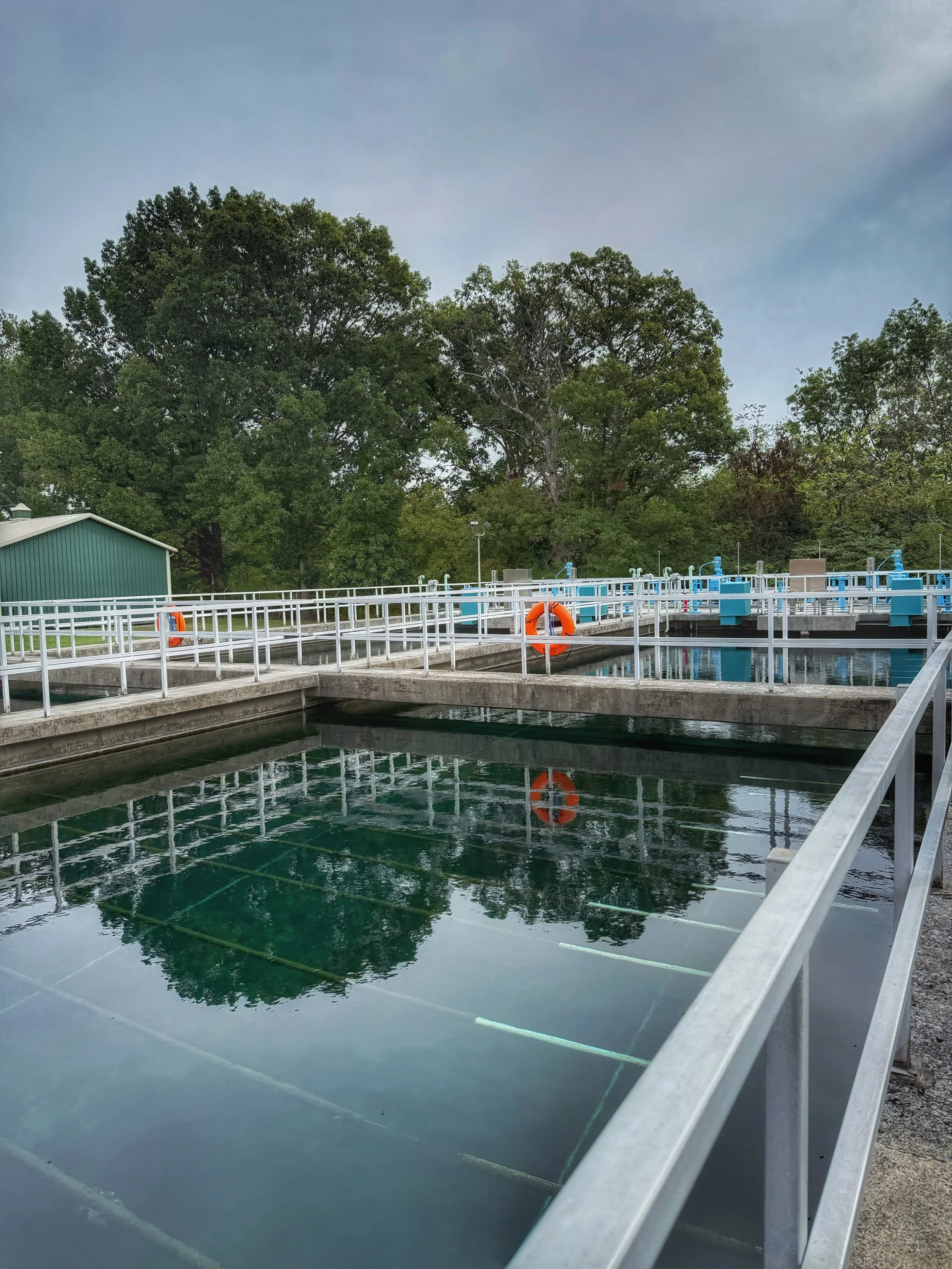
It also serves as an important source of recreation, tourism, and drinking water for surrounding communities.

The North Fork’s unique geology creates deep pools, productive fish habitat, and scenic landscapes that make it one of the most valued waterways in the Shenandoah Valley.

Why It Matters

How to Enjoy It

The North Fork offers countless ways to experience the outdoors

Canoeing and Kayaking

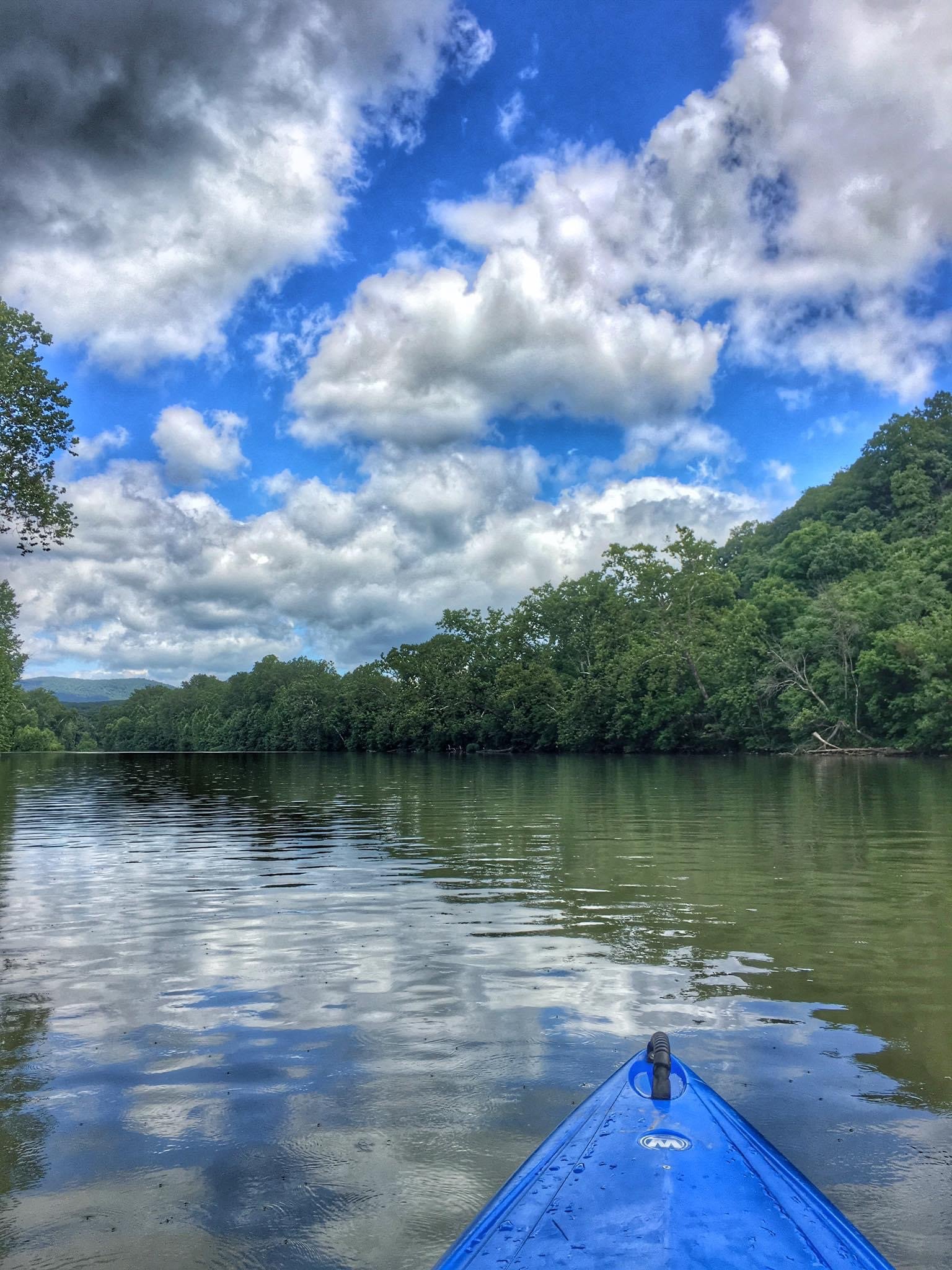
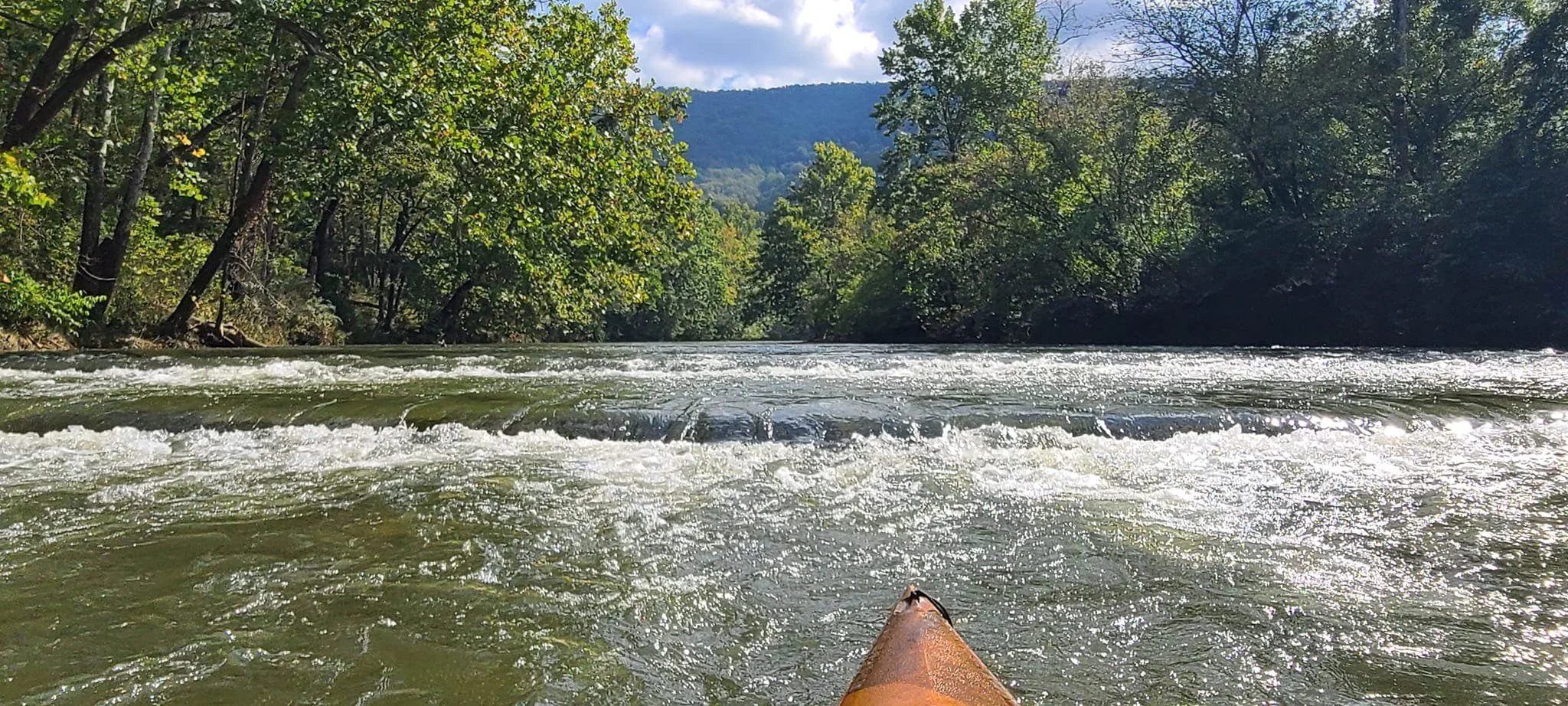
The North Fork is a favorite destination for paddlers thanks to its clear water, scenic landscapes, and mild whitewater.

Paddlers enjoy:

  • Bedrock ledges and scenic bends that create a dynamic paddling experience

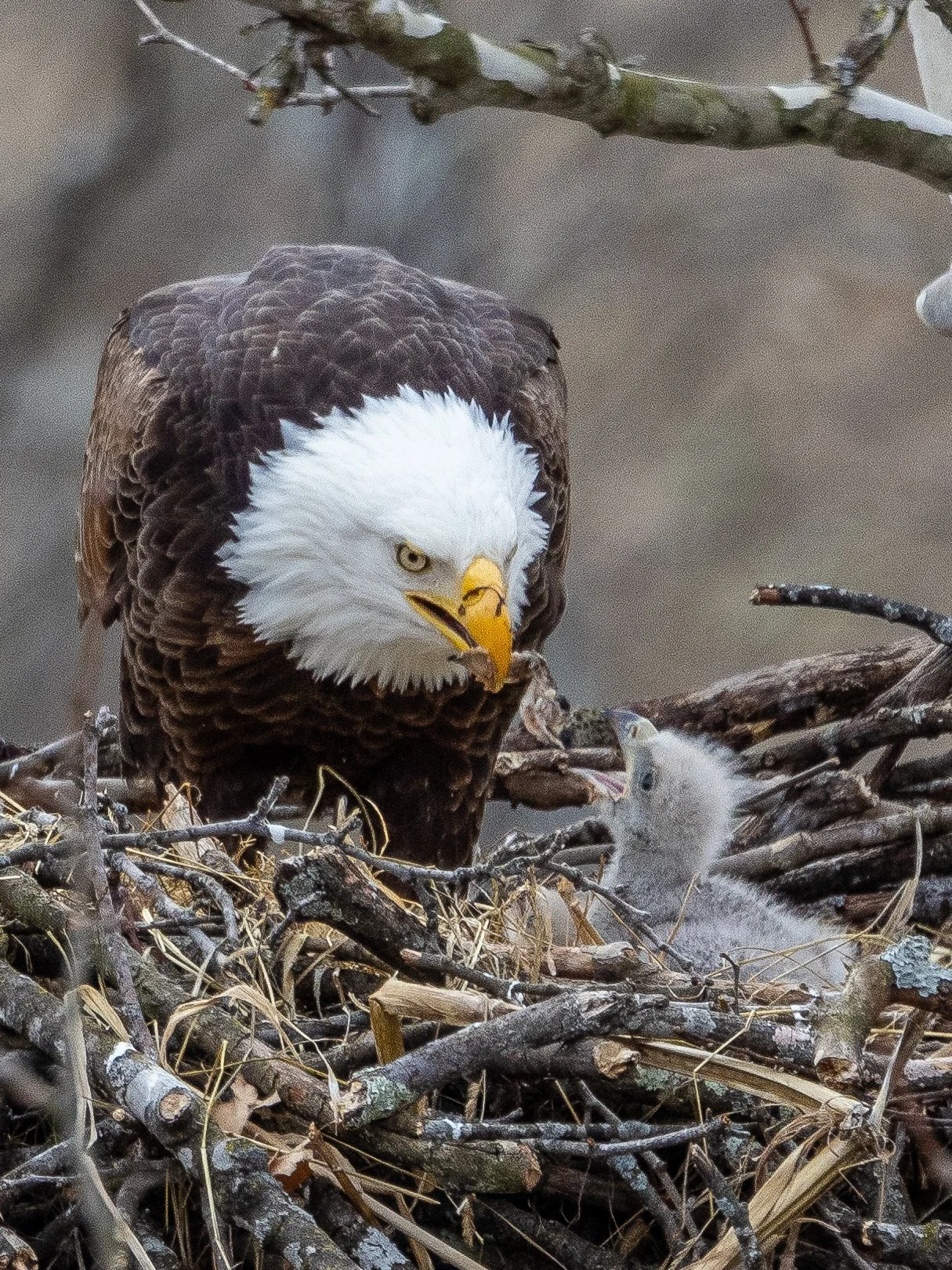
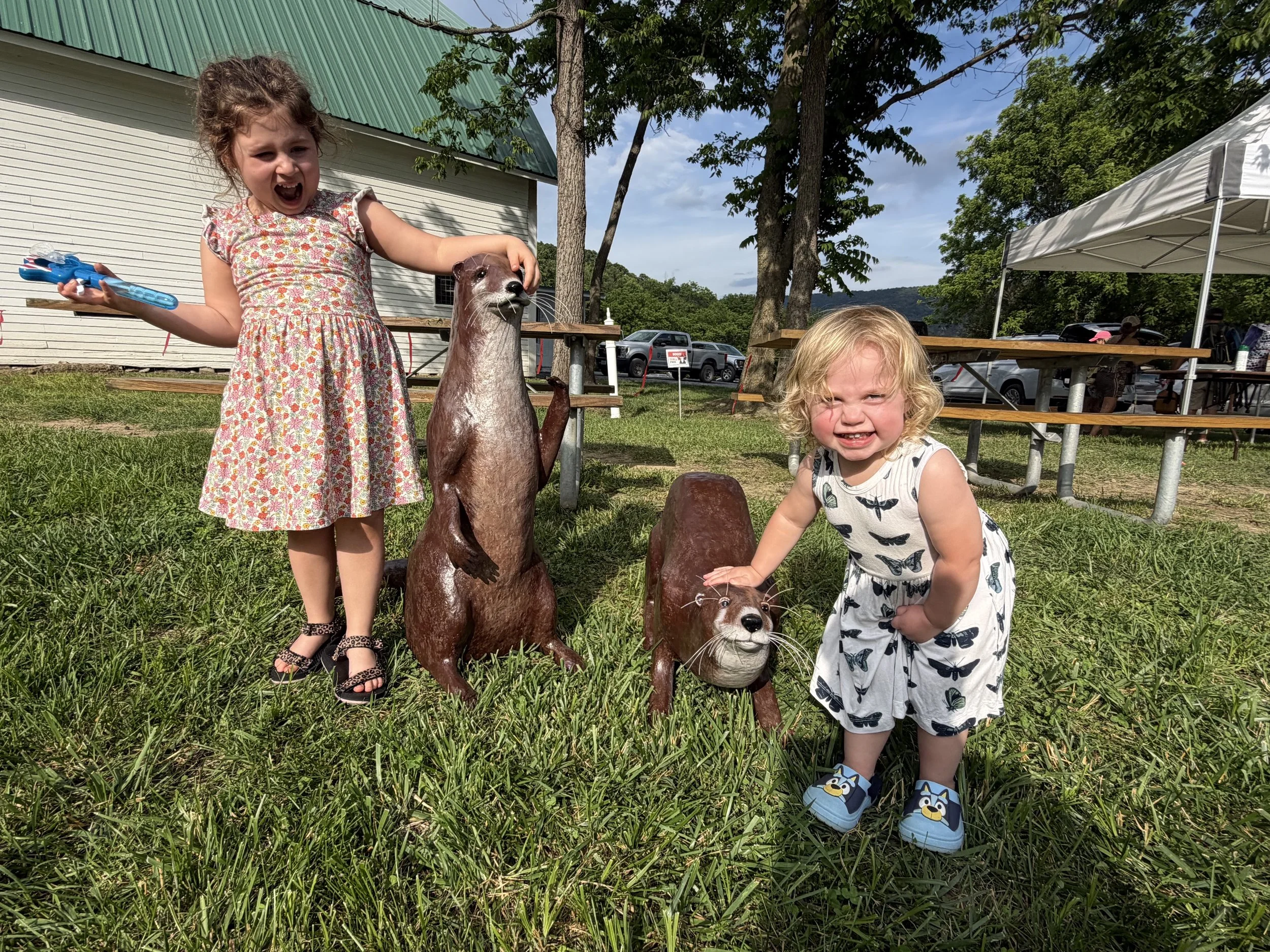
  • Abundant wildlife including bald eagles, great blue herons, and river otters

  • Gentle rapids that provide excitement without extreme difficulty

During periods of low summer water, paddlers may need to walk boats through shallow areas.

River users should also be aware of hazards including:

  • Six dams located throughout the river system

  • Low water bridges that may create obstacles depending on river conditions

Fishing

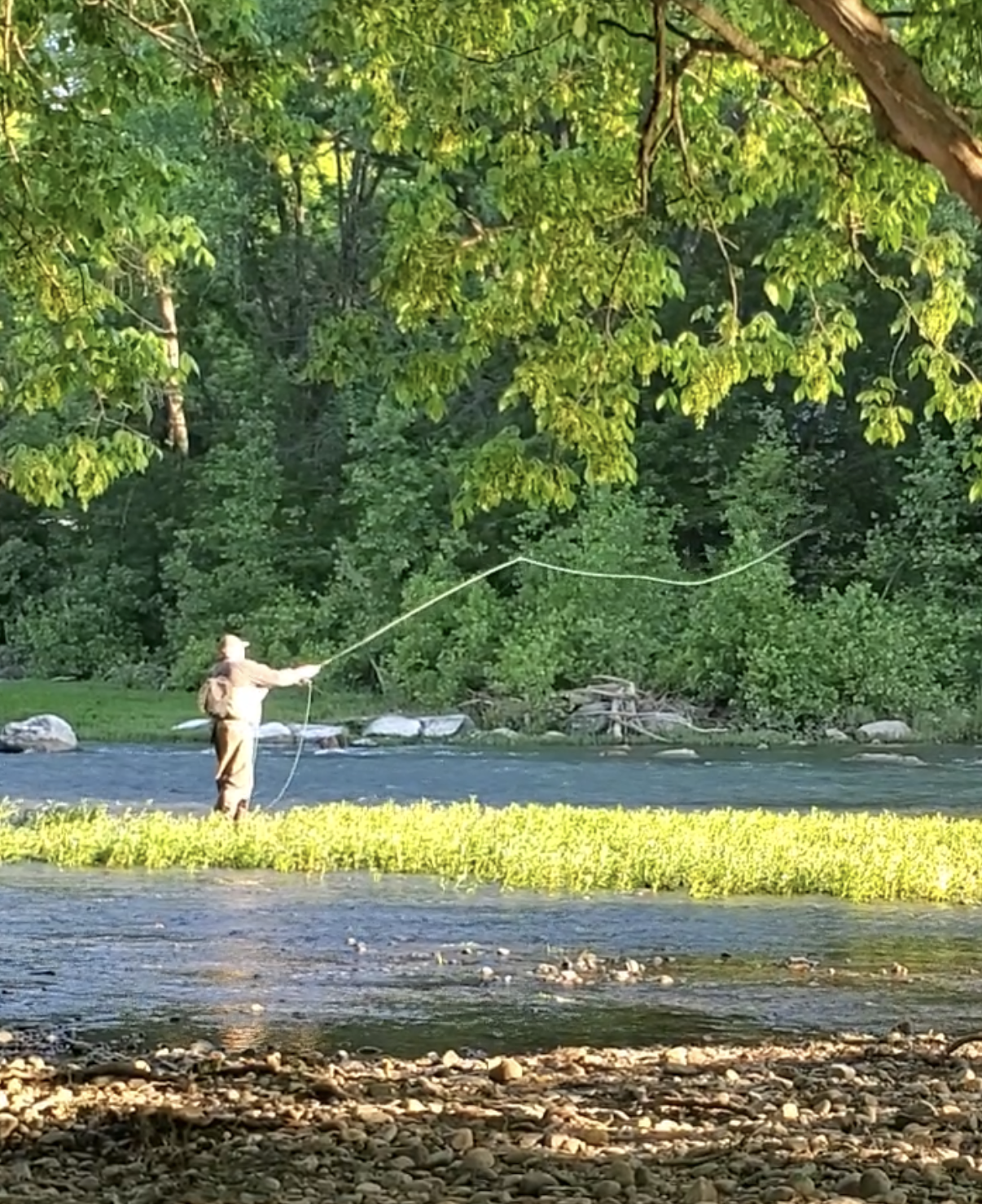
The North Fork is one of the Shenandoah Valley’s premier fishing destinations.

Its bedrock ledges and deep pools create ideal habitat for fish species including:

  • Smallmouth bass

  • Largemouth bass

  • Sunfish

  • Fallfish

  • Muskellunge

  • Catfish

  • Other native species

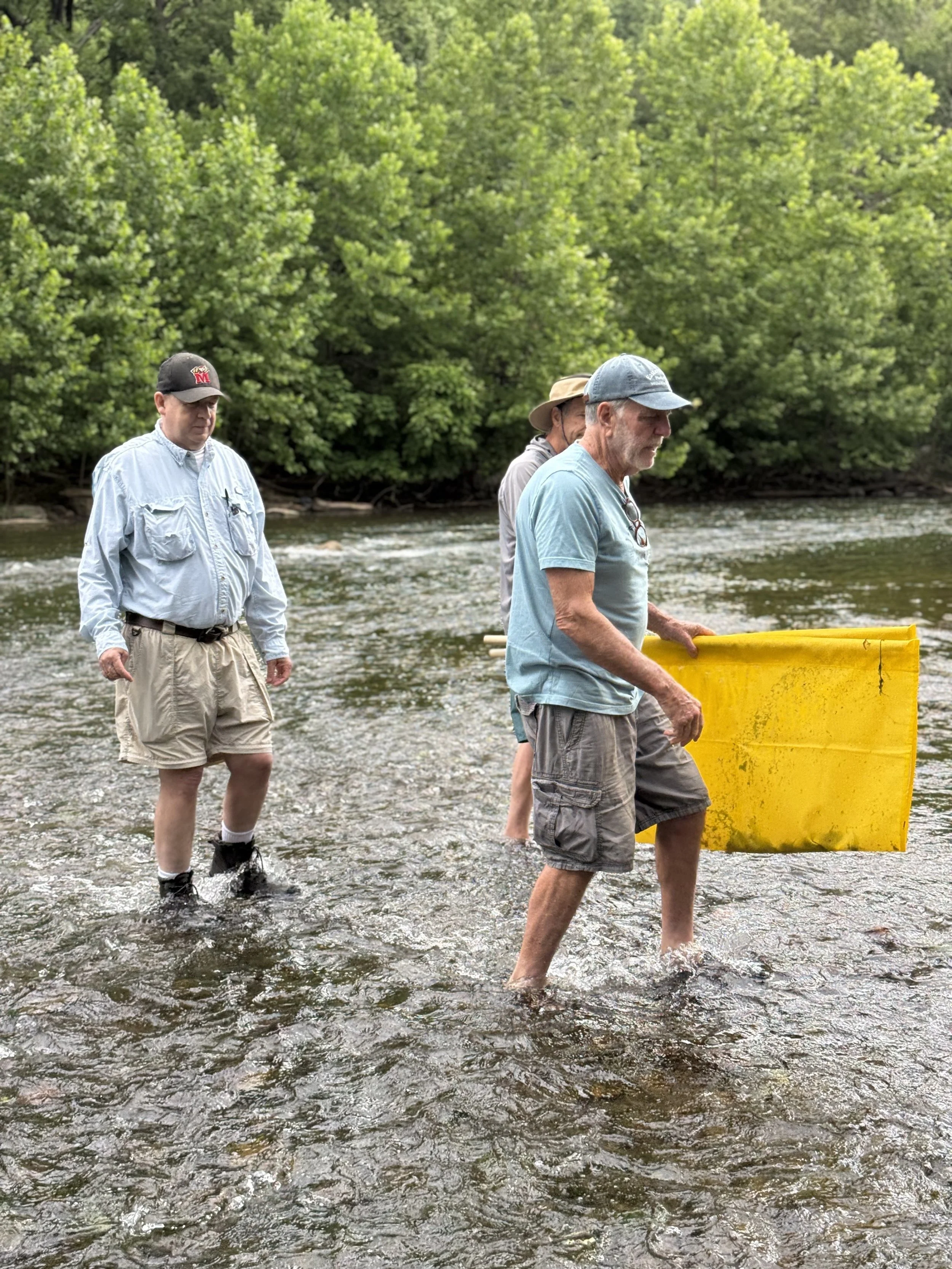
Its shallow waters and numerous wading areas provide excellent fishing access throughout much of the year.

During summer and fall, elevated nutrient runoff may contribute to algae and aquatic plant growth, which can affect fishing and boating conditions.

Seven Bends State Park

Located near Woodstock, Seven Bends State Park offers visitors another way to experience the North Fork from land.

The park includes:

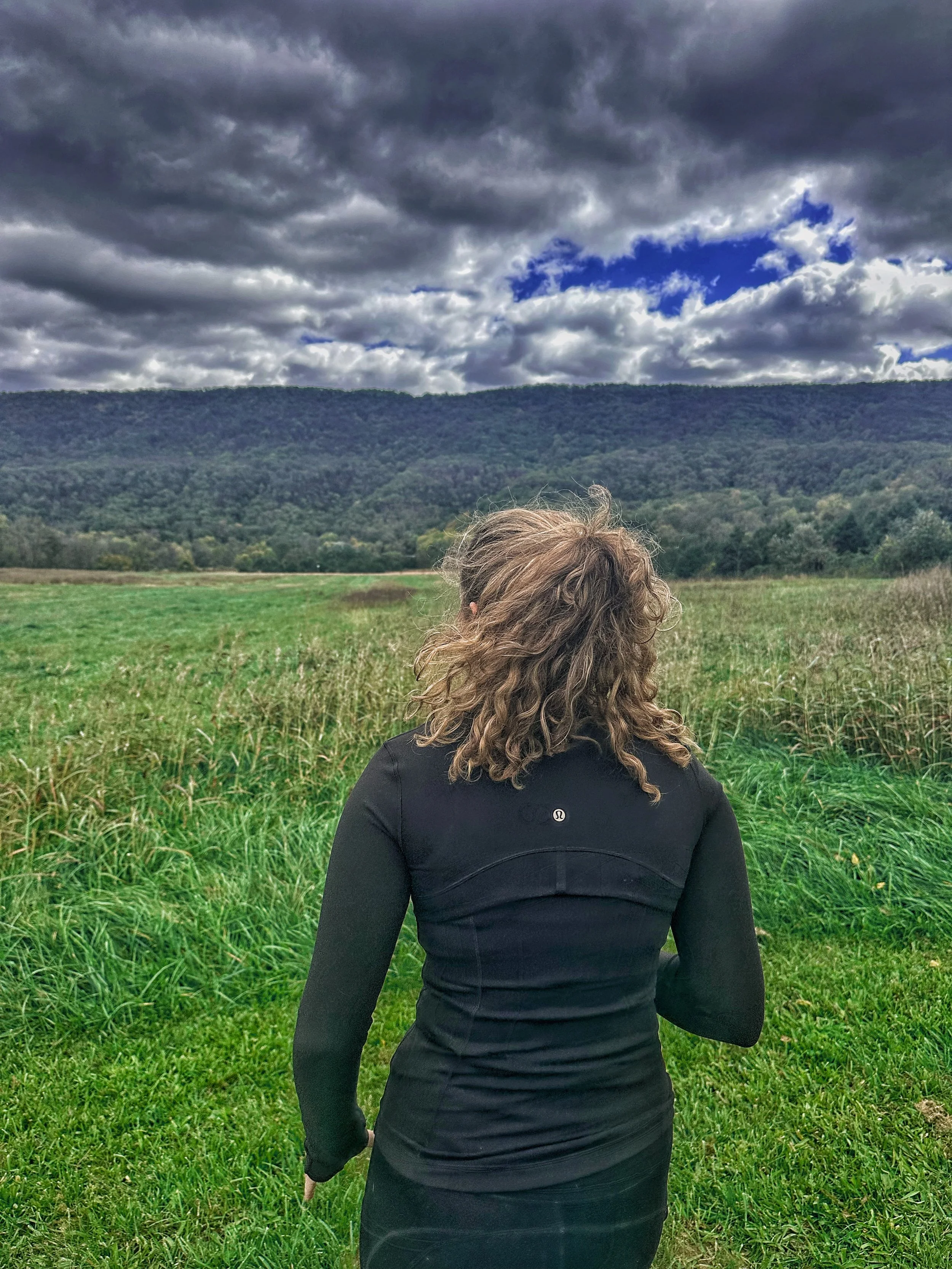
  • Miles of hiking trails

  • Two miles of trail along the river

  • Scenic picnic areas with river views

  • Easy access for paddling, fishing, and wading

  • Kayak rentals


Visit the spring where the North Fork of the Shenandoah River begins its journey.